Eastern Rhythms, Voice, and Intonation in Digital Video Content
In the dynamic world of digital media as of late 2025, distinctive cultural sonic elements continue to play a pivotal role in engaging global audiences. Arabic-language audio, with its rich traditions of rhythmic complexity, expressive vocal delivery, and nuanced intonation patterns, stands out for its ability to evoke deep emotional responses and foster cultural connection. From short-form social clips to streaming series, these Eastern characteristics are increasingly shaping content across the Middle East and North Africa (MENA) region and influencing international platforms.
The surge in Arabic digital video consumption reflects broader trends: while Arabic comprises only about 3-5% of global online content, demand in the MENA region home to a young, tech-savvy population is exploding. Platforms like YouTube, TikTok, and regional services are prioritizing localized productions, blending traditional audio cues with contemporary visuals to create immersive experiences.
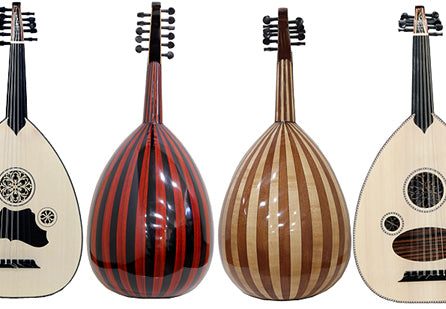 Traditional percussion and string instruments like the oud, darbuka, and riq are central to Arabic rhythmic patterns.
Discussions around cultural shifts, including what some scholars and activists have termed the sexual revolution in the Arab World as explored in works like Shereen El Feki's "Sex and the Citadel" and Mona Eltahawy's "Headscarves and Hymens" highlight evolving societal attitudes toward expression and intimacy. Platforms hosting Arabic-language media, such as sexsaoy.com, exemplify how traditional rhythms and vocal styles are incorporated into diverse digital narratives, enhancing emotional depth and authenticity in user-generated and professional content alike.
The Foundations of Arabic Musical Rhythms
At the heart of Arabic audio lies a sophisticated system of rhythmic cycles known as iqa'at (singular: iqa'). These patterns, often featuring asymmetrical time signatures like 10/8, 7/8, or 9/8, contrast sharply with the symmetrical 4/4 dominant in much Western music. Instruments such as the darbuka (goblet drum), riq (tambourine with jingles), and frame drums provide layered textures: deep "doum" bass strikes intermixed with crisp "tak" accents and ornamental fills.
Rooted in ancient traditions - from Levantine folk dances like dabke to Gulf khaleeji performances these iqa'at create hypnotic, polyrhythmic grooves. Popular cycles include Maqsum (4/4 with syncopation), Malfuf (quick 2/4), and Samai Thaqil (complex 10/8 used in classical forms). In digital video, creators overlay these rhythms on modern beats, adding cultural authenticity to vlogs, tutorials, and entertainment clips. This fusion preserves heritage while appealing to younger audiences, contributing to longer viewer retention and higher engagement metrics.
The emotional pull of these rhythms stems from their cyclic nature, mirroring life's ebb and flow. Percussionists improvise within the structure, allowing for personal expression that resonates universally yet feels distinctly Eastern.
Vocal Intonation and Expressive Prosody in Arabic
Beyond rhythm, Arabic vocal delivery captivates through its prosodic richness. Intonation varies across dialects: Levantine and Egyptian often feature flowing, expansive contours with elongated vowels, while Maghrebi styles lean toward sharper, staccato phrasing. This diversity, combined with the use of maqamat (modal scales incorporating quarter tones), enables microtonal inflections absent in Western equal temperament.
Iconic performers like Umm Kulthum and Fairuz mastered melismatic singing stretching syllables across intricate melodies to convey profound emotion. Modern content creators adopt similar techniques: dialect-specific voiceovers heighten drama in storytelling, while rising-falling pitch contours create immediacy and passion. Research on Arabic prosody notes expanded pitch ranges and tense delivery as key to evoking nostalgia, excitement, or introspection.
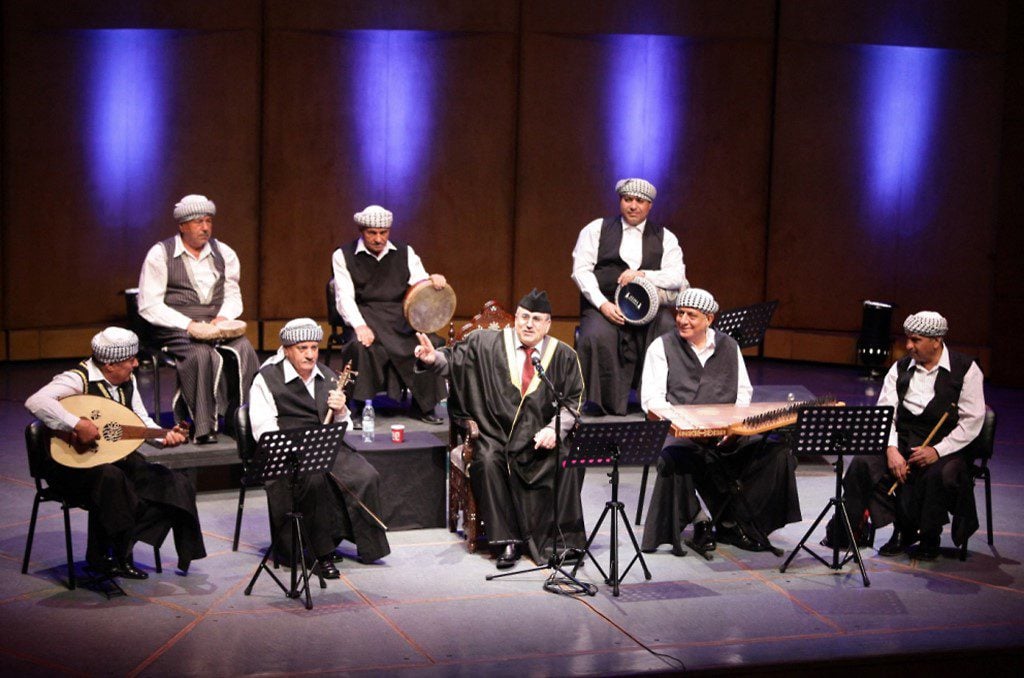 Artists blend maqam scales and expressive prosody to achieve deep emotional resonance.
Why These Features Captivate Global Audiences
The enduring appeal lies in authenticity and universality. In an age of short attention spans, polyrhythms and emotive intonation foster immersion, encouraging extended watch times. Global exposure via algorithms introduces these "exotic yet relatable" elements to non-Arabic speakers, who appreciate the raw emotional potency. As cultural dialogues evolve, these sonic traits bridge traditions with modernity, making content memorable and shareable.
Integration into Modern Digital Video Platforms
By 2025, Arabic video trends show explosive growth: MENA markets like Saudi Arabia, UAE, and Egypt drive over half the region's $50 billion media industry. Investments in original productions dramas, comedies, documentaries prioritize colloquial dialects over formal Modern Standard Arabic for relatability. Hybrid genres fuse iqa'at with EDM or hip-hop, while AI tools enable subtitling and voice synthesis, broadening accessibility.
.webp) Advanced tools facilitate the seamless blending of Arabic audio prosody in digital productions.
Advanced tools facilitate the seamless blending of Arabic audio prosody in digital productions.
Short-form platforms thrive on rhythmic hooks and passionate narration, while long-form streaming benefits from narrative depth enhanced by traditional cues. This integration not only boosts regional consumption but elevates Arabic content's global exportability, with Egyptian and Saudi productions gaining international traction.
Challenges and Future Trends
Challenges remain: dialectal fragmentation can limit cross-regional appeal, and balancing tradition with innovation requires sensitivity. However, data indicates a shift toward colloquial, youth-driven content. Emerging trends include AI-personalized audio, voice commerce, and further genre fusions.
Looking to 2026 and beyond, Eastern rhythms and intonation will likely become even more ubiquitous, driving innovation while preserving cultural identity. As digital platforms mature, these elements will continue captivating audiences by offering genuine emotional connections in an increasingly homogenized media landscape.
In summary, the power of Arabic audio in digital video lies in its rhythmic intricacy, vocal expressiveness, and cultural depth. These features not only entertain but also preserve heritage, foster dialogue, and propel Arabic content onto the world stage.
Great job Andrew! This is a really solid interview. Cheers.